Exploring Premium Hash Products: Quality, Craft, and Culture
There is a quiet revolution happening in the world of cannabis concentrates. For years, hash sat in the shadow of flower and oil, seen as a relic of another era. But walk into any serious dispensary or browse a reputable online store today, and you will notice something shifting. The shelves are filling with premium hash products that rival the best solventless extracts in purity, potency, and flavor. This is not your grandfather's hash. This is a renaissance driven by craft producers, better extraction methods, and a deeper understanding of the plant's chemistry.
What Defines a Premium Hash Product?
The word "premium" gets thrown around a lot, but in the context of hash, it means something specific. A premium hash product starts with exceptional source material. That means trichome-rich cannabis, often from specific cultivars known for their resin production, harvested at the peak of maturity. The second factor is the extraction method. Gentle handling preserves the delicate profiles of terpenes and cannabinoids. Temperature, pressure, and filtration all matter. The third is consistency. A premium product delivers the same experience batch after batch, with no surprises in texture, melt, or effect.
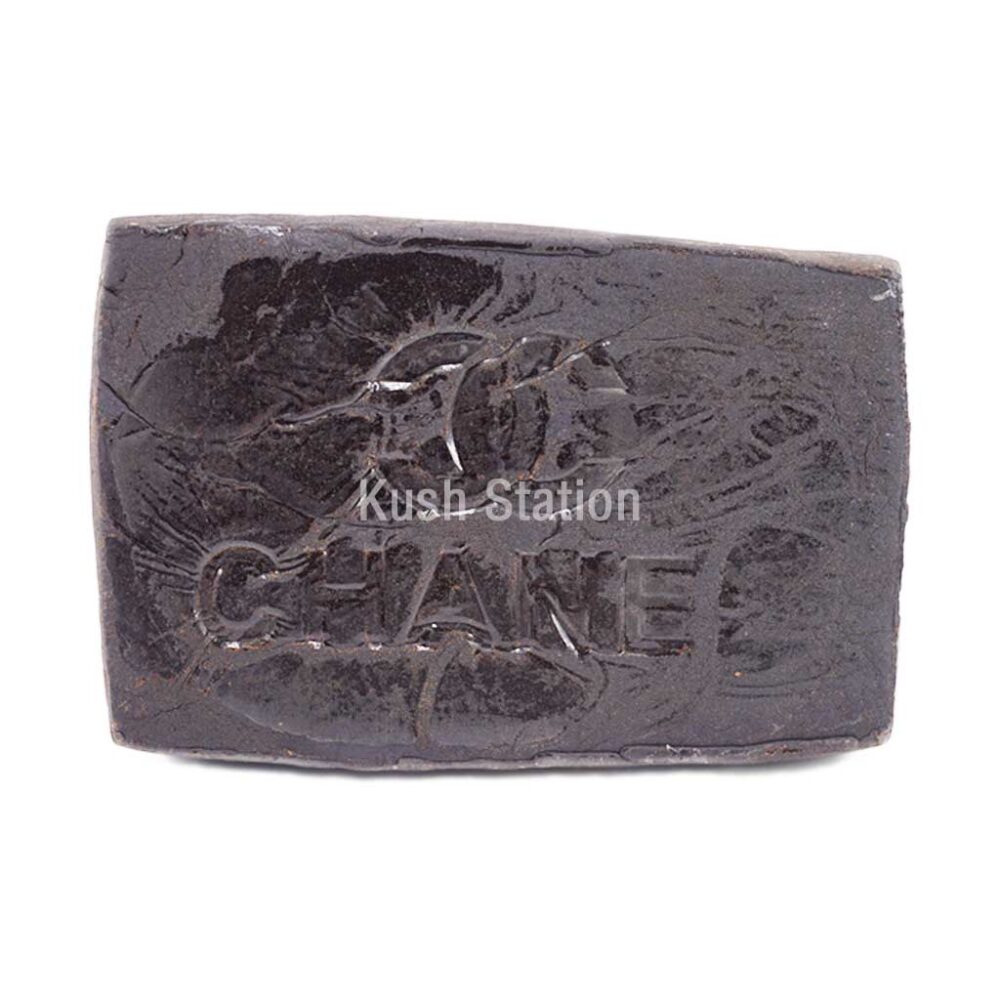
When you press a piece of good Moroccan hash between your fingers, it should warm and crumble evenly, releasing a complex aroma that hints at the original flower. That is a sign of proper curing and storage. Compare that to a dry, brittle slab that smells like old hay, and you see the gap immediately. The same principles apply to other regional styles. Lebanese hash tends to be lighter in color and more floral, often made with a blend of plants that gives it a unique head high. Afghan hash is darker, more resinous, and known for its heavy, sedating effects. Each style reflects its origin, but only the best examples earn the premium label.
Modern Methods for Traditional Results
One of the most exciting developments in the hash world is the return to solventless extraction. Historically, most hash was made by sieving dried plant material through fine screens to collect the resin glands, then pressing them into blocks. That is still the basis for many premium products, but today's producers have refined the process. They use cold rooms, static electricity, and multiple filtration stages to isolate the purest kief before pressing. The result is a product that melts cleanly on a dab rig or in a dry herb vaporizer, leaving behind almost no ash or residue.
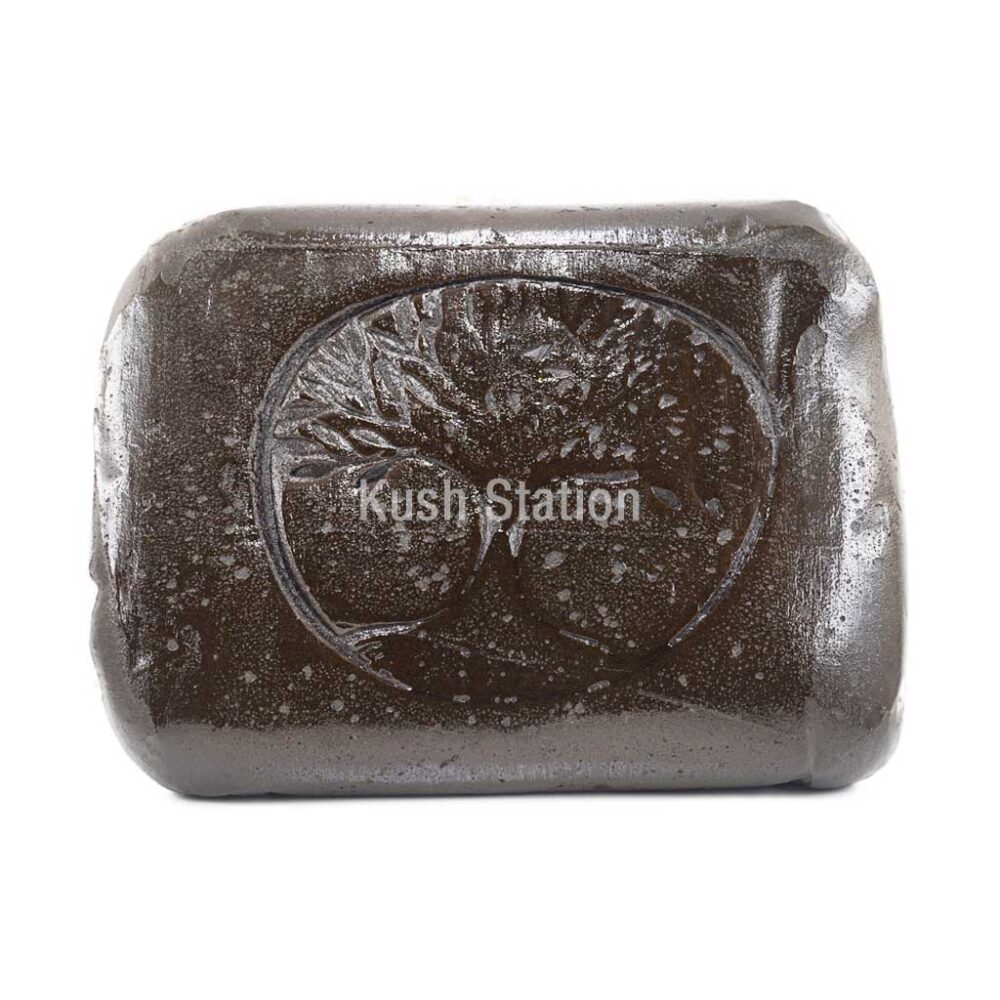
Another method gaining traction is freeze-dried hash. By freezing the plant material before sieving, the trichomes become brittle and separate more easily. This reduces contamination from plant matter and yields a higher concentration of THC crystals. The freeze-dried hash I tried recently was almost white in color, with a texture like fine sand. When vaporized, it had an intense, fruity flavor that lasted through several hits. That kind of clarity is hard to achieve with heat-based techniques.
On the other end of the spectrum, BHO (butane hash oil) and live resin represent different philosophies. BHO uses a solvent to strip the cannabinoids from the plant, then purges the solvent under vacuum. When done right, it can yield a very potent product, but it often lacks the full spectrum of terpenes found in solventless hash. Live resin, on the other hand, is made from fresh-frozen plants and extracted with a hydrocarbon solvent at low temperatures. The result captures volatile terpenes that are usually lost during drying. Some connoisseurs prefer live resin for its nuanced flavor, though the solvent-based process is not for everyone.
Bubble Hash, Rosin, and the Art of the Press
If you want to understand the texture of premium hash, look at bubble hash. It is made by agitating frozen cannabis in ice water, then filtering the mixture through a series of micron bags. The smallest bags catch the largest, most intact trichome heads. That fraction, often called the "full melt," is the holy grail for hash enthusiasts. It leaves almost no plant material when vaporized. I have seen bubble hash that looked like golden sand and smelled like fresh citrus, a result of careful handling and high-quality starting material.
Then there is rosin, which is essentially hash made by applying heat and pressure to flower or kief. A good rosin press uses a pollen press to form uniform pucks, then squeezes them between heated plates. The yield and quality depend heavily on the temperature and pressure. Too hot, and you degrade the terpenes. Too cold, and you leave cannabinoids behind. The best rosin has a glassy, translucent appearance and a consistency like soft taffy. It is easy to work with on a concentrate tray and delivers a clean, flavorful hit.
The Role of Decarboxylation and Terpenes
Understanding decarboxylation helps explain why some hash products hit harder than others. When you heat cannabis, the acidic form of THC (THCA) loses a carboxyl group and becomes the psychoactive THC. In fresh hash, most of the cannabinoids are still in their acidic form. That is why raw hash needs heat to activate. Premium hash products are often cured in a way that partially decarboxylates the material, resulting in a product that is immediately active. But too much decarboxylation degrades the flavor. The balance is delicate.
Terpenes are where the sensory magic lives. They are the volatile compounds that give hash its aroma and contribute to the overall effect through the entourage effect. A well-made hash retains a high concentration of these compounds. When you open a jar of premium Lebanese hash, you might catch notes of pine, spice, and dried fruit. That complexity is a sign that the producer respected the material. Poor storage, high heat, or old age will flatten those notes into a generic "hashy" smell. For the enthusiast, this is the difference between a good night and a great one.
Practical Considerations: Storage, Use, and Value
Owning premium hash is one thing; keeping it that way is another. Hash is sensitive to heat, light, and air. Store it in an airtight container in a cool, dark place. Some people use the fridge, but be careful with condensation. A pollen press can help you store larger quantities compactly, but do not over-compress or you may trap moisture. When you are ready to use it, let it warm to room temperature before handling to avoid condensation on the surface.
For consumption, a dab rig or a dry herb vaporizer is ideal. Traditional smoking wastes a lot of the terpenes and creates harsh byproducts. Vaporizing at a low temperature, around 315-340 degrees Fahrenheit, preserves the flavor and gives you a cleaner experience. If you are using a concentrate tray, make sure it is made of a non-reactive material like glass or ceramic. Avoid metal screens, which can impart a taste.
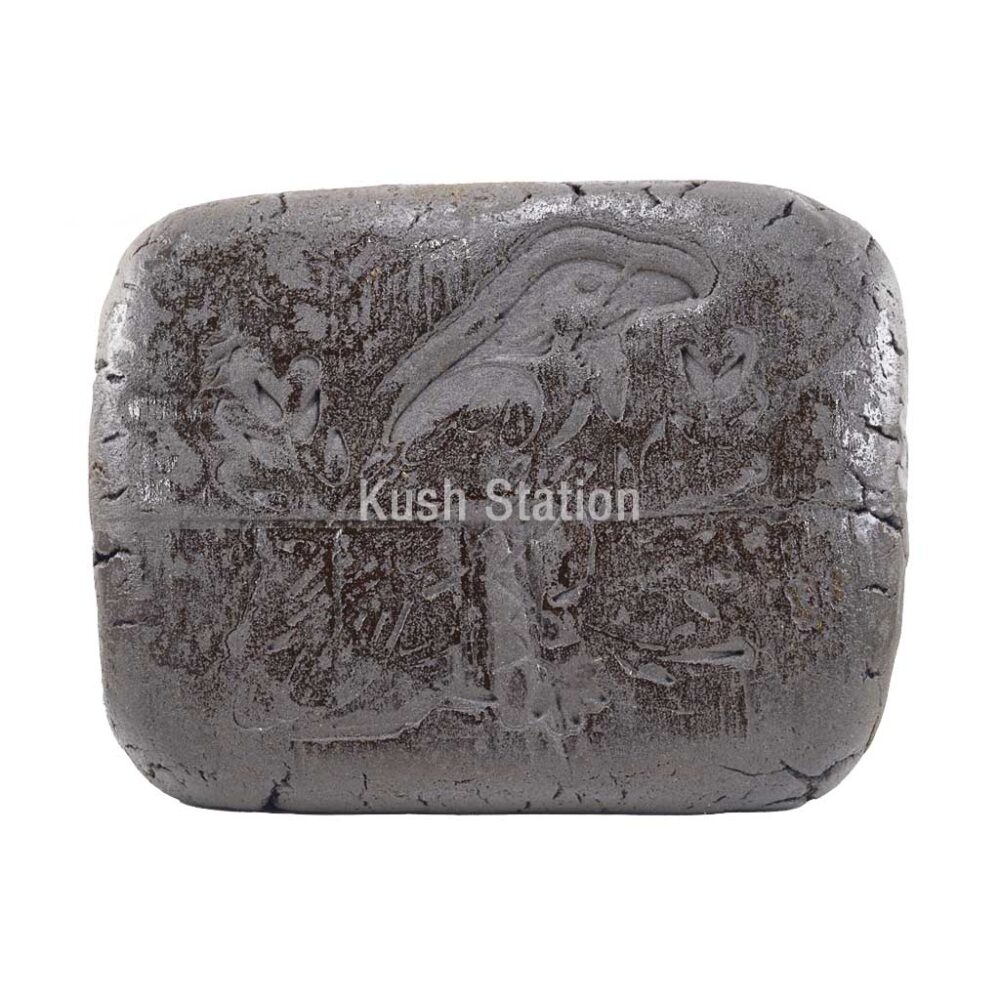
One common mistake people make is judging hash solely by its appearance. Dark, sticky hash can be just as premium as light, crumbly hash. It depends on the source. A high-quality Afghan hash is often dark because of the specific trichome structure and the pressing method. What matters is the melt. A premium hash should bubble and melt evenly, not char or leave black residue. That is the real test.
Where the Market Is Headed
As legalization spreads, the market for premium hash products is expanding beyond the old-school connoisseur. New consumers are discovering that hash offers a more concentrated, flavorful, and efficient experience than flower. Producers are responding with more variety and better consistency. KushStation has become a go-to source for many of these products, offering everything from Moroccan and Lebanese hash to bubble hash and rosin, often with bulk discounts for those who want to stock up. Their selection reflects the diversity of the current market, with options for every preference and budget.
We are also seeing a resurgence of old-school techniques with modern twists. Some producers are aging hash in controlled environments to develop complex flavors, similar to aging wine or cheese. Others are experimenting with different micron sizes to create products with specific effects. The line between hash and other concentrates is blurring. It is not unusual to see a product labeled as "hash rosin" or "live resin hash." That cross-pollination is good for the consumer, because it pushes quality higher across the board.
Final Thoughts on Quality and Craft
At the end of the day, the best premium hash products are the ones that connect you to the plant. They taste like the variety they came from. They hit cleanly and predictably. They make you appreciate the work that went into them. Whether you prefer the floral notes of Lebanese hash, the earthy depth of Afghan hash, or the bright clarity of freeze-dried hash, the common thread is care. Care in the field, care in the extraction room, and care in the packaging. That is what separates a commodity from a craft product.
If you are new to hash, start with a small amount of a well-regarded product. Try it in a vaporizer or a dab rig. Notice the flavor, the smoothness, and the effect. Compare it to a cheaper option and see if the difference matters to you. Often it does. The market is full of choices, but not all of them deserve the premium label. Look for transparency about the source, the method, and the testing. Those details tell you whether the producer is proud of their work or just moving product. The best hash tells its own story, one that starts in the soil and ends in your hands.